
Virtual Gallery App
A VR gallery tour for Esther Schipper, built on Oculus Quest — commissioned during a period when collectors couldn't reach the gallery in person. The design decisions were governed by one constraint: the gallery team had to remain as present in the virtual space as they would be in the physical one.
Esther Schipper's collectors are distributed globally, and the works the gallery represents are rarely transportable on demand. The pandemic made an existing problem acute — collectors who already visited the gallery infrequently now couldn't visit it at all. The brief was a digital substitute for the gallery visit, but the underlying question was about relationships rather than rendering. Collector-gallery trust is built through direct contact with people, not through interfaces. Anything that put a layer between the collector and the team would have undone the point of the commission.
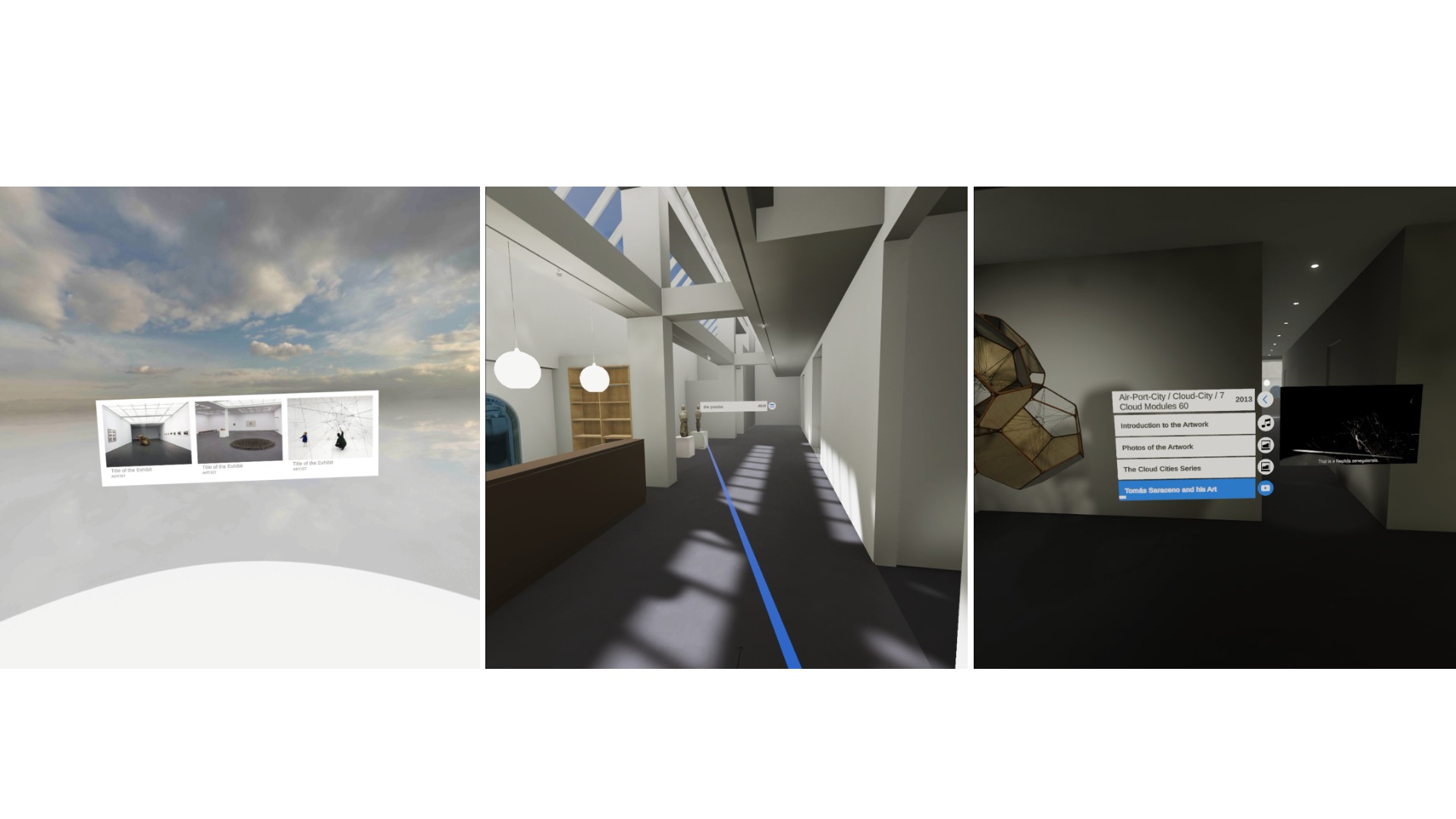
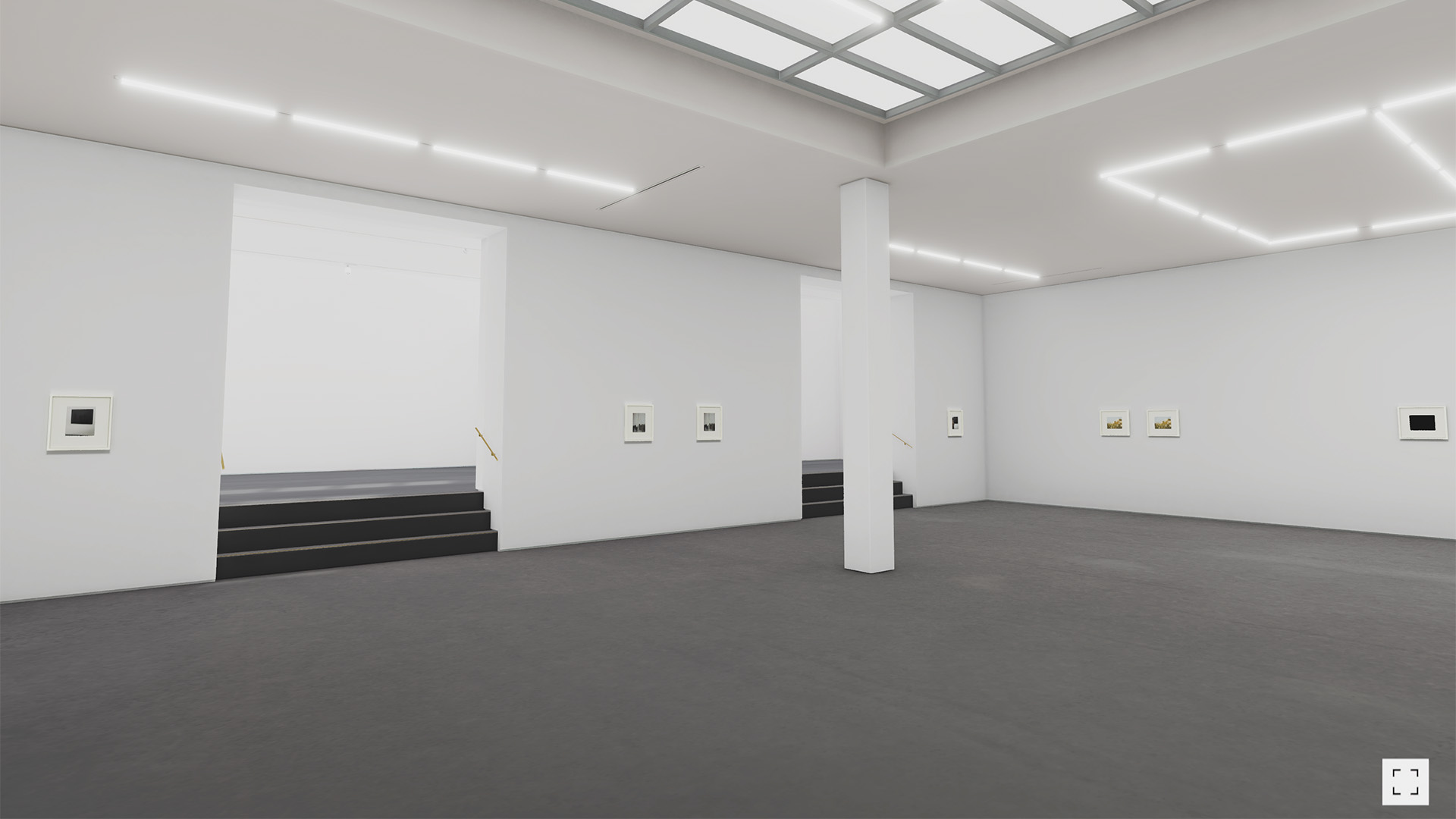
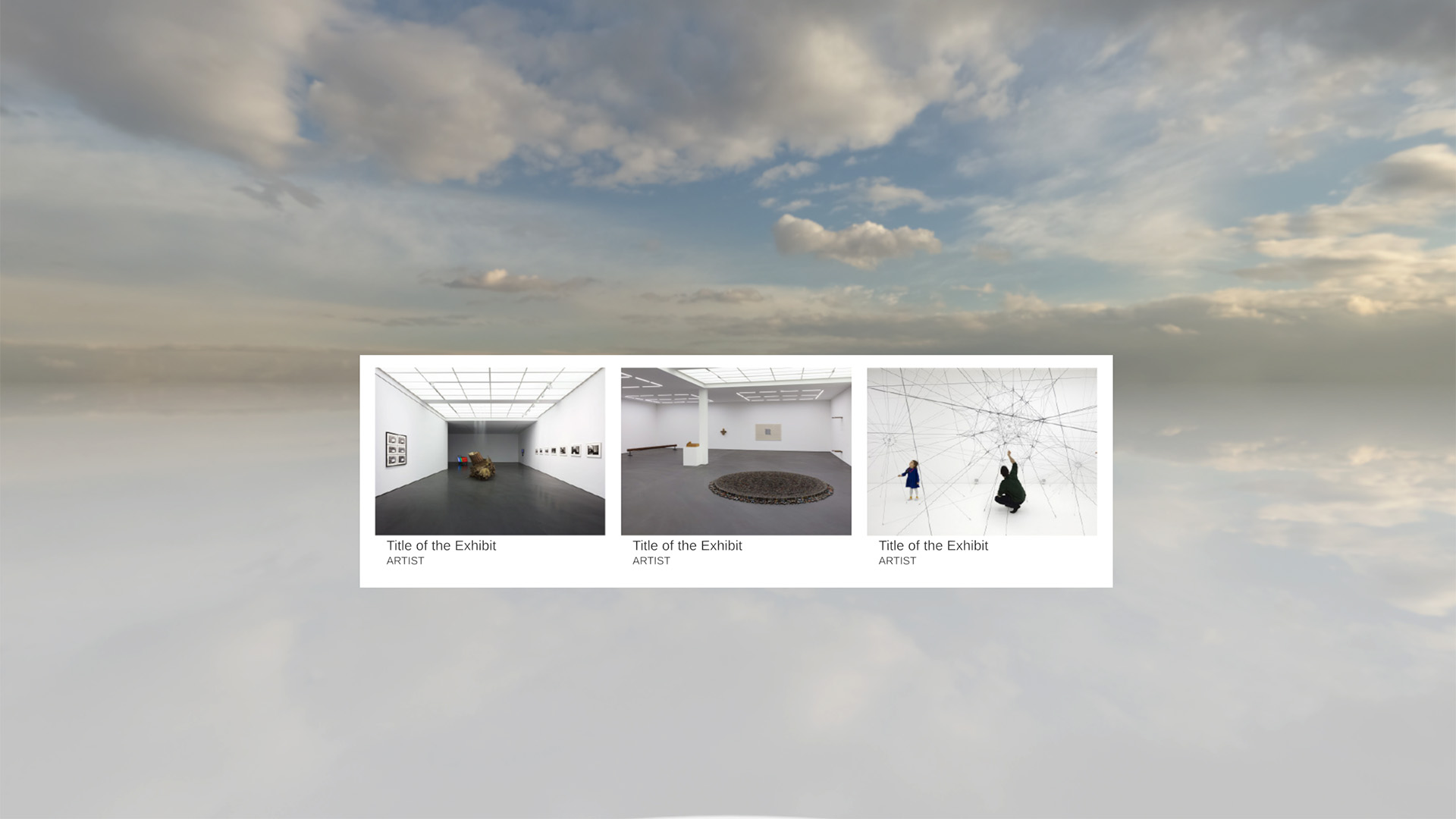
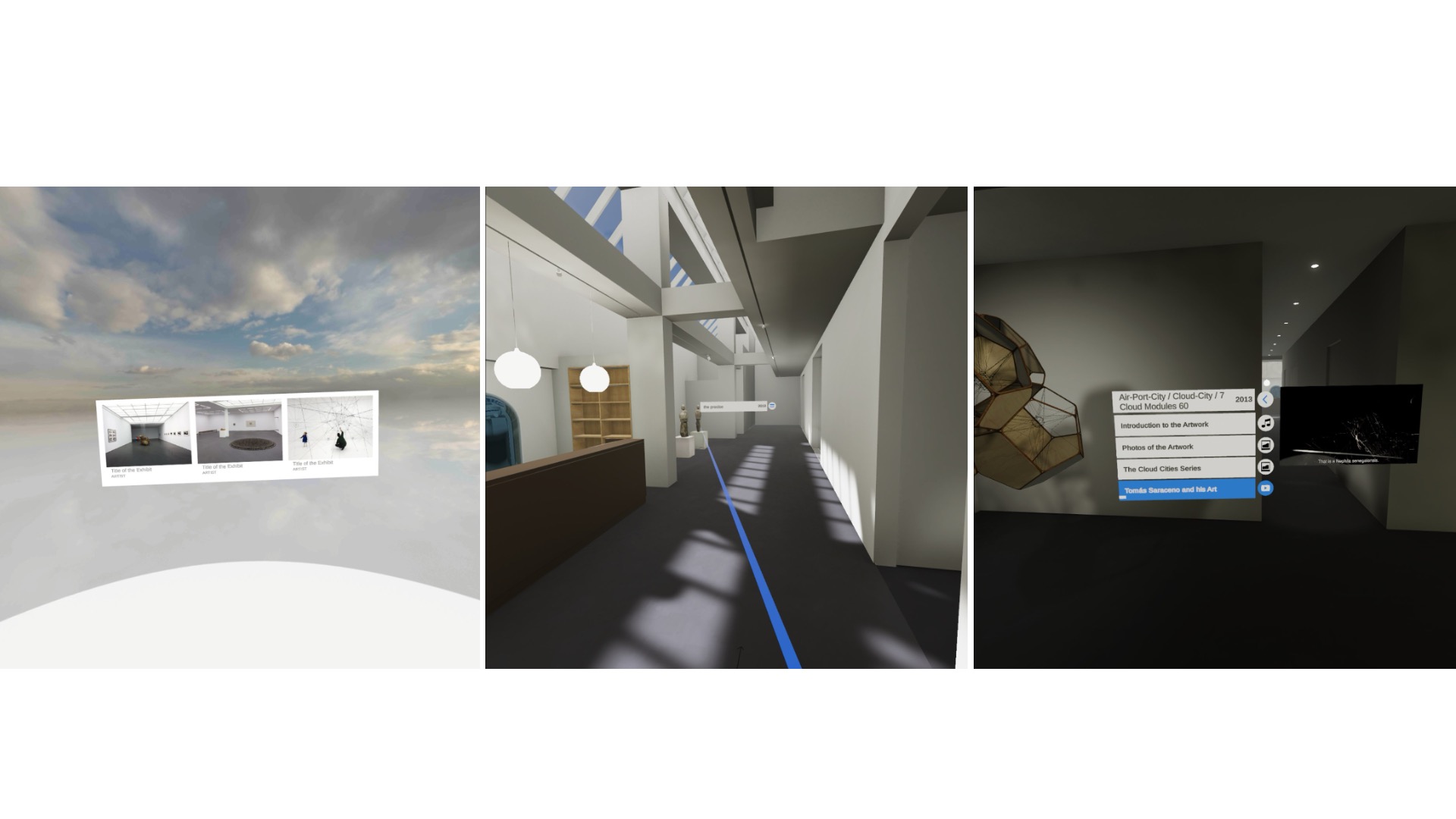
The tour was built for Oculus Quest, with digitised works installed in a virtual reconstruction of the gallery space. Around each object, contextual zones surface video, images and audio — the kind of background a gallerist would talk through in person, made available in the same place as the object itself.
The harder design problem was how the gallery team appears inside the VR session. Two principles set the direction. First, gallery staff conduct sessions from their normal work computers — no headsets required on their side. The threshold to host a tour had to match the threshold to take a call. Second, team members appear inside the VR environment as video-call windows that follow the visitor and can be turned toward, the way a person turns to someone walking beside them in a physical gallery.
That second decision did most of the heavy lifting. The video-call metaphor was already familiar to every collector by 2020; importing it into VR meant the unfamiliar part of the experience — the headset, the virtual room — was scaffolded by something the visitor already knew how to use. UI elements were held back accordingly, appearing only in contextual zones around objects, leaving the rest of the space to the art and the conversation.
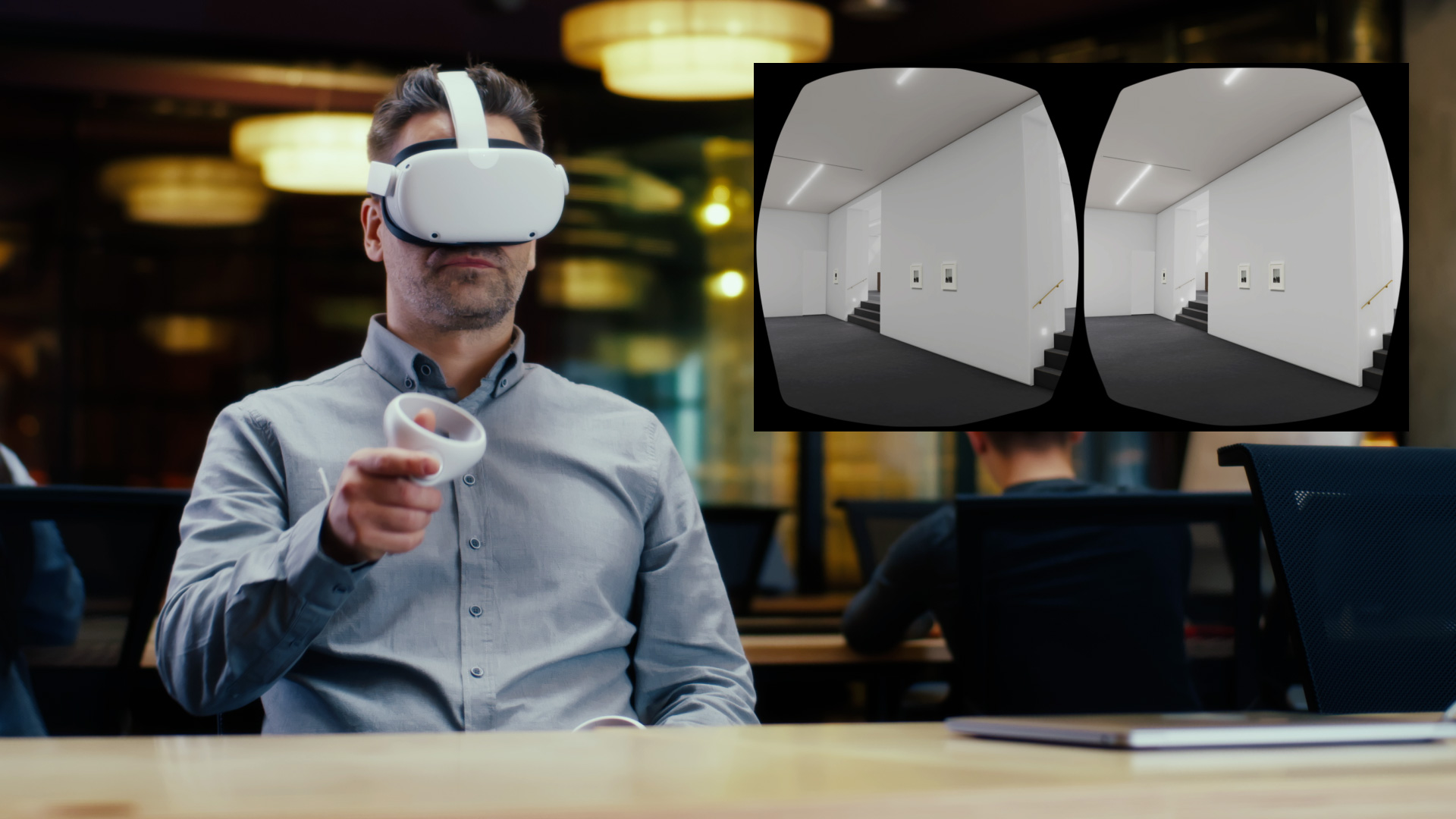
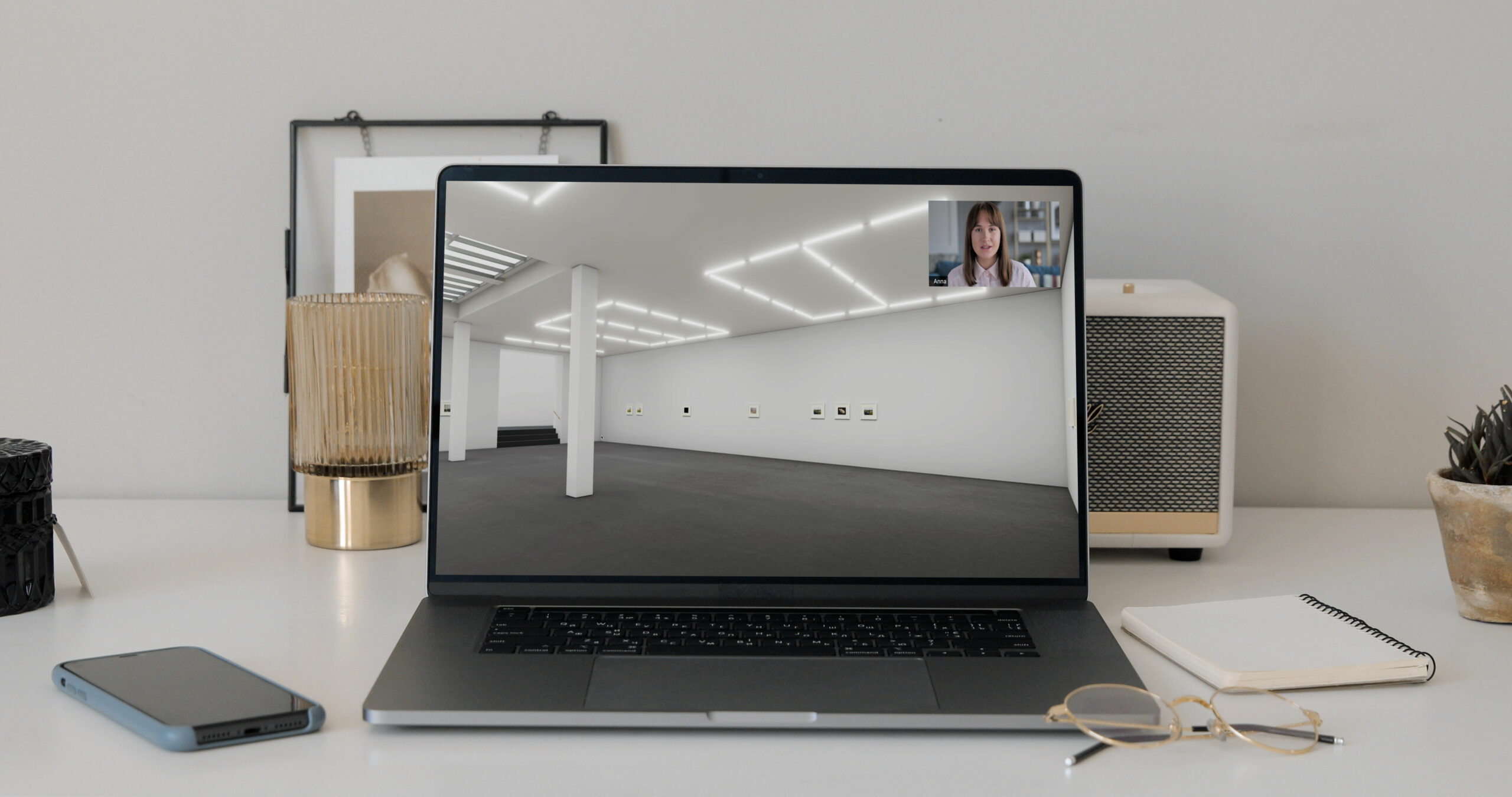
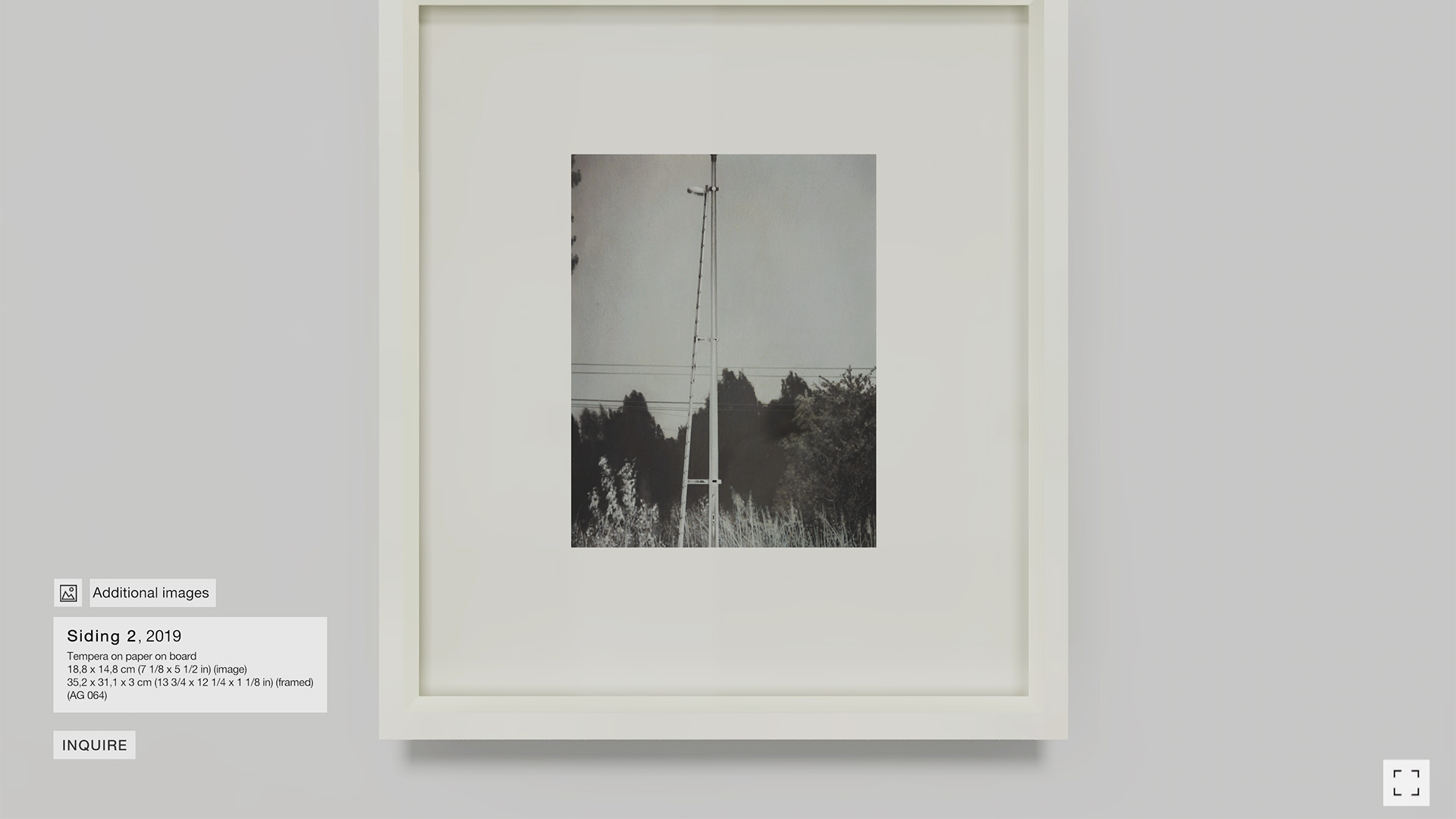
The platform launched as a working gallery tool: Esther Schipper's team could schedule and guide collector sessions from their existing workstations, with collectors joining from anywhere on Oculus Quest. The system was designed to outlast the conditions that prompted it — a permanent extension of the gallery's reach rather than a pandemic-period workaround.
Tell us about your project.
The first call is about understanding the question — not pitching the answer. Even if the brief is still loose.
hello@luxoom.com→